
We spend too much time looking backward for certainty that doesn’t exist. When a project misses the mark, the instinct is to call a search party. We schedule retrospectives, digging for a clean, mechanical reason why things failed.
But unless you are running a highly mechanized factory line, most failures are human, complex, and messy. You spend hours in a room only to conclude, “We need to communicate better next time.” That is not an answer. That is an excuse disguised as an insight.
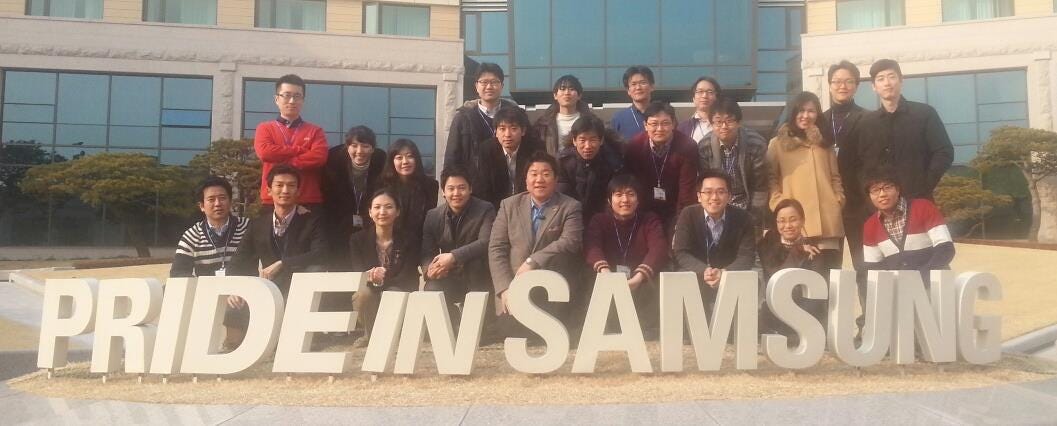
I learned this early on during my time at Samsung. After joining through an acqui-hire, I found myself in an environment defined by deep structure and true organizational leadership. The lesson was not about bureaucracy. It was about the raw competence required to execute at scale. I worked alongside global talent and learned how to align priorities to actually deliver value.
But you do not need a conglomerate to learn this. The best startups I have built and advised create the exact same pressure and opportunity to grow, provided the leadership is actually leading. You learn just as much from observing what is ineffective, even when it has a reasonable cause, as you do from mimicking best practices.
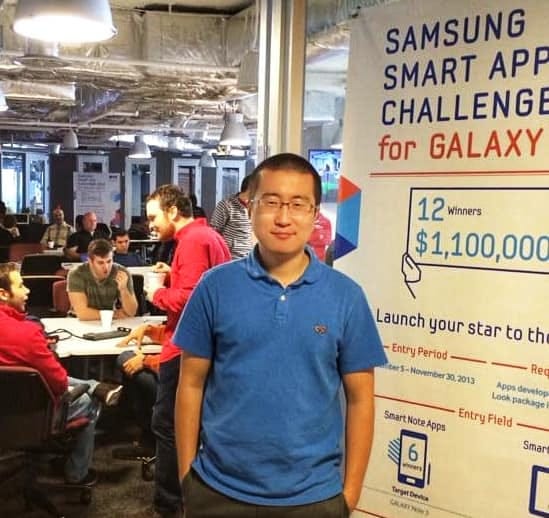
Right now, I see the same backward-looking trap happening in the AI space. I advise leaders and enterprises on deploying AI infrastructure, and the biggest bottleneck is rarely technical. It is human. People get lost in the noise of the AI boom, trying to perfectly analyze past decisions instead of navigating the present reality. The real work is building human capital, applying high agency, and communicating effectively to orchestrate teams and AI systems alike.

The biggest gains in my career have not come solely from hard technical skills. They came from learning how to build human capital and apply high agency.
Reflect forward, not backward. You do not need another retrospective to know that you just need to do better on the next one. The experience itself is the guarantee.