
A builder friend and AI startup founder, recently shared this blog post with me; https://sunilpai.dev/posts/the-appeal
The post is framed as an appeal to God. It asks a basic question. What do creators owe the things they create?
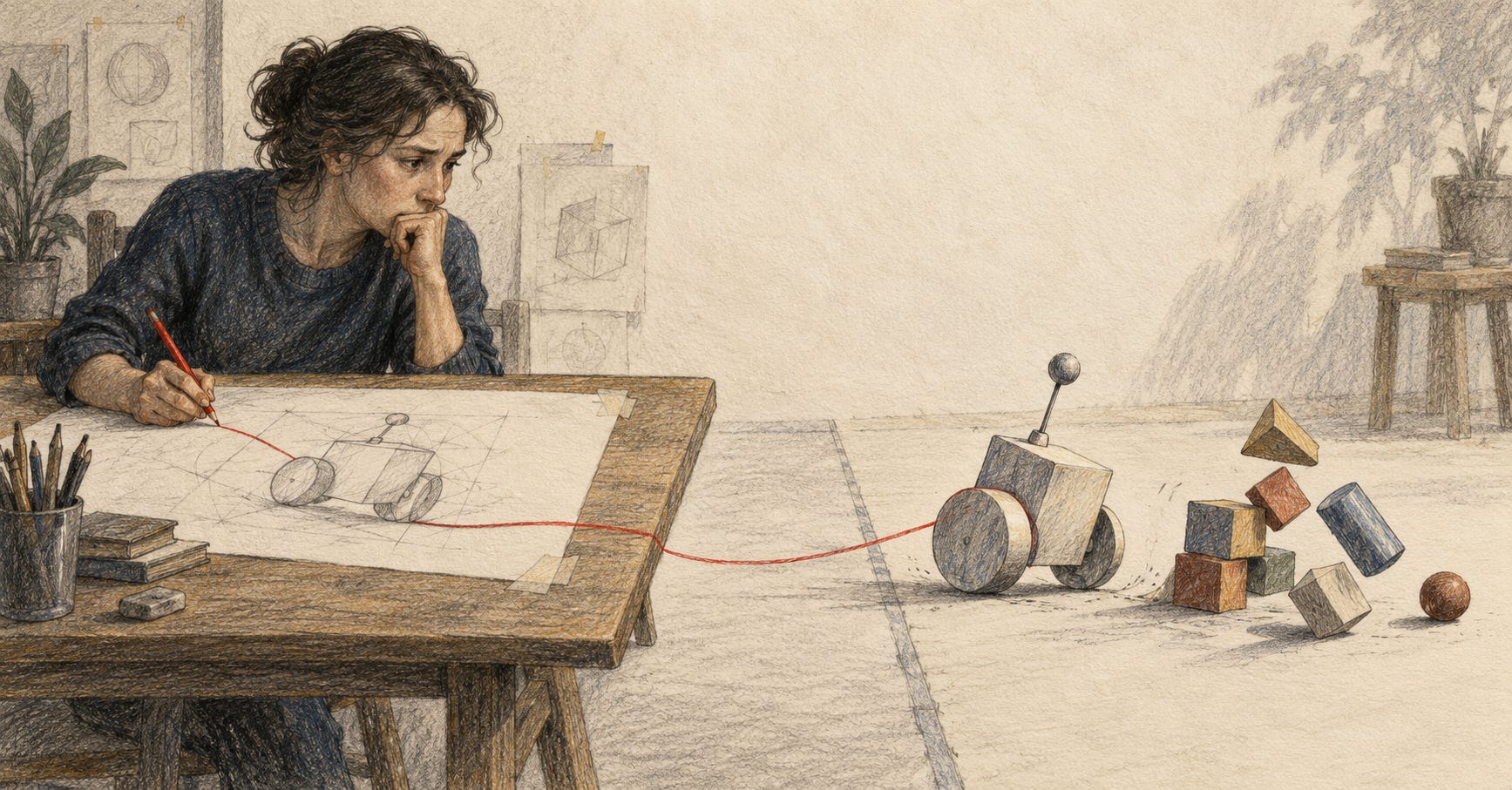
While the context is philosophical, the questions feel very real for those of us building AI agents. We are moving from tools that follow steps to systems that act on their own. We are building things that can move through the world, make choices, and work on our behalf.
As AI agents get more freedom, who is to blame when one crosses a line?
There is a temptation in our industry to shift the story based on what is easy. We call an agent autonomous when we want to show off a new skill. But the moment that agent fails or causes harm, we call it a designed system to distance ourselves from the result.
When the same freedom leads to harm, the language changes. It becomes a model error, an edge case, or an unintended output. The agent’s autonomy seems to shrink as soon as responsibility appears.
I do not believe agency erases creator responsibility.
An agent may choose an action within the freedom we give it. But it did not choose its training, objective, tools, permissions, safeguards, or operating environment. People made those choices.
This does not mean every failure belongs to a single engineer or founder. Responsibility may sit across the people who built the model, designed the system, deployed it, and gave it a task. Shared responsibility is still responsibility.
How do you see the line between system failure and creator responsibility? At what point does a tool become an entity, and does that change your duty to the output?